Why Choose an Exhaust Fan for Washroom?
A washroom may look clean, yet warm, moisture-heavy air can remain trapped after every shower. It settles on mirrors, grout, ceiling paint, and timber doors. Over time, this hidden moisture can encourage mould, unpleasant odours, and surface damage. Choosing an Exhaust Fan For Washroom creates a controlled escape route for humid air. It removes vapour near its source, rather than allowing it to drift through the home.
Dr. Joseph G. Allen, a ventilation and healthy-buildings researcher, explains, “Ventilation is not a silver bullet, but it is a critical layer of protection.” His observation is useful here. An effective washroom fan should match the room’s size, provide suitable airflow, and operate quietly enough for regular use. A timer or humidity sensor can help the fan continue running after a shower. This small detail matters.
The fan is not magic.
During installation, I would also consider duct length, outdoor discharge, backdraft protection, and cleaning access. A powerful motor cannot compensate for a crushed duct or blocked grille. That point is easy to overlook. Noise ratings deserve attention too, because a fan that sounds harsh may be switched off too quickly. The best choice balances airflow, energy use, sound, durability, and practical maintenance.
Still, every washroom is different. Local ventilation requirements and electrical rules should guide installation. A qualified professional can verify those details. The right Exhaust Fan For Washroom does more than remove smell. It helps protect finishes, improve comfort, and make daily hygiene feel cleaner. Perhaps the overlooked benefit is not dramatic performance, but dependable air movement when nobody is watching.
What Is an Exhaust Fan and How Does It Work in a Washroom?
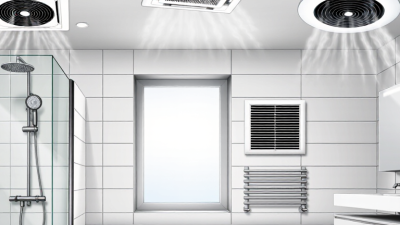
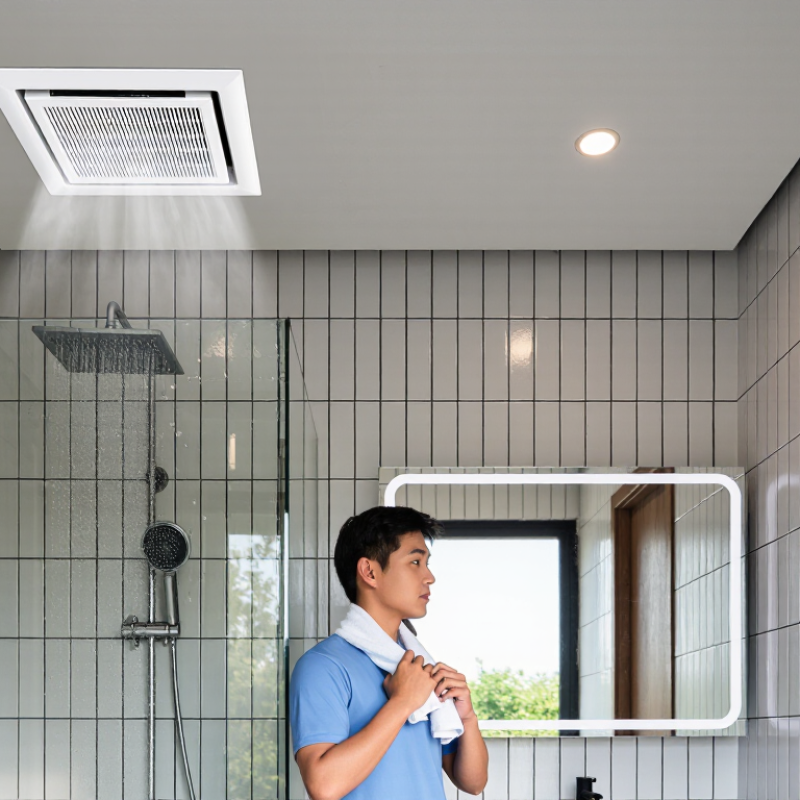
An exhaust fan is a mechanical ventilation device that removes stale, humid air from a washroom. It usually sits in the ceiling or high on a wall, where warm moisture collects. When switched on, its motor turns a fan blade and pulls air through a grille. The air then travels through a duct and exits outdoors. Fresh air enters through the door gap or a small transfer vent. This creates gentle negative pressure inside the room.
The process helps reduce condensation on mirrors, wet ceilings, and painted surfaces. It also limits the damp conditions that encourage mould growth and unpleasant odours. In practical washroom inspections, a weak airflow often comes from a blocked grille, a crushed duct, or a stuck backdraft shutter. The fan may sound normal but still remove very little air. That detail is easy to miss. A humidity-sensing model can start automatically, although settings may need adjustment for different climates. It should not replace proper window ventilation or solve serious water leaks.
Tips: Run the fan during bathing and for 15–20 minutes afterward. Keep the grille clean and inspect it every few months. Hold a thin tissue near the grille; steady movement suggests airflow, but this is only a basic check. If condensation remains heavy, consult a qualified ventilation professional.
How Exhaust Fans Control Moisture, Odors, and Indoor Air Quality
Why Choose an Exhaust Fan for Washroom?
How Exhaust Fans Control Moisture, Odors, and Indoor Air Quality
Steam fogs the mirror, dampens towels, and settles into grout. An exhaust fan gives that moisture a route outside. That route matters. The U.S. Environmental Protection Agency recommends keeping indoor relative humidity between 30% and 50%. Persistent moisture can support mold growth, damage paint, and weaken bathroom materials.
Odors also need source control, not perfume. A correctly installed fan removes stale air near the toilet and shower before it spreads through nearby rooms. The Home Ventilating Institute recommends about 1 cubic foot per minute per square foot for bathrooms up to 100 square feet. It also identifies 50 CFM as a practical minimum for intermittent bathroom ventilation. Bigger rooms may need more capacity.
Indoor air quality is not only about comfort. EPA reports that indoor pollutant concentrations can be two to five times higher than outdoor levels, and occasionally much higher. Local exhaust helps reduce humidity and airborne contaminants at their source. ASHRAE Standard 62.2 also emphasizes exhaust ventilation in moisture-producing areas.
A fan can still disappoint. Weak airflow, a blocked duct, or a dirty grille changes the result. I have found that occupants often switch fans off too quickly. Running the fan during bathing and for several minutes afterward is more realistic. The fan must discharge outdoors, not into an attic or ceiling cavity. Noise matters, too, because an annoying fan is often ignored.
Key Benefits of Installing an Exhaust Fan in a Washroom
Why Choose an Exhaust Fan for Washroom?
Key Benefits of Installing an Exhaust Fan in a Washroom
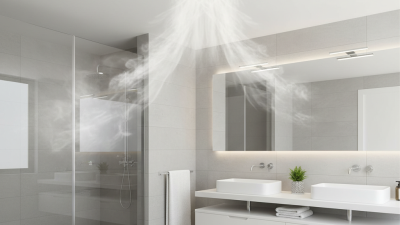
After a hot shower, mirrors cloud, towels stay damp, and moisture settles on the ceiling. An exhaust fan helps remove humid air before it reaches walls, cupboards, and flooring. This can reduce condensation and discourage mold growth in poorly ventilated washrooms. A dry room also feels cleaner and more comfortable.
An effective fan should move air outside through a properly sized duct. Recirculating damp air into another indoor space solves very little. Choose a model that matches the washroom’s size and expected moisture level. A qualified electrician should handle wiring, especially near water. The fan should also include a suitable backdraft damper.
Small details matter. Run the fan during a shower and for several minutes afterward. Clean the grille regularly, because dust restricts airflow and creates extra noise. A quiet fan is more likely to be used consistently. That matters every day.
An exhaust fan is not a complete cure. Leaking pipes, poor waterproofing, and permanently wet towels need separate attention. Some fans can still sound louder than expected, even when their specifications seem acceptable. I have found that placement often matters as much as power. Positioning the fan near the shower usually captures moisture more effectively than placing it beside the door.
How to Choose and Maintain the Right Washroom Exhaust Fan
Why Choose an Exhaust Fan for Washroom?
How to Choose and Maintain the Right Washroom Exhaust Fan
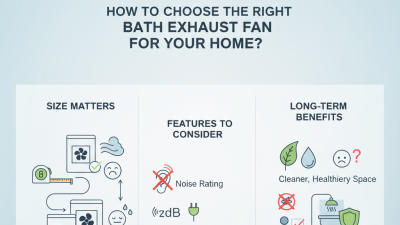
A washroom exhaust fan removes humid air, odors, and airborne particles after bathing. It also helps protect ceilings, paint, grout, and wooden fittings from prolonged moisture. Choose the fan according to room size, usage, and duct length. A small washroom may need a compact fan, while a larger room needs stronger airflow. Check the airflow rating, measured in cubic meters per hour or cubic feet per minute. A quiet model is more comfortable, especially near bedrooms.
Duct design matters as much as fan power. Keep the duct short, smooth, and straight where possible. Long or sharply bent ducts reduce performance and increase noise. A backdraft shutter can prevent outdoor air, insects, and dust from entering. For a frequently used washroom, a humidity sensor may activate the fan automatically. Electrical installation should follow local safety requirements, particularly near water. Ask a qualified electrician when wiring or placement is uncertain.
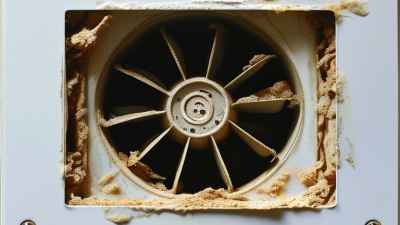
Maintenance is simple but easy to neglect. Turn off the power before removing the cover. Clean the grille and fan blades every few months with a soft brush or damp cloth. Check for unusual vibration, weak airflow, or rattling sounds. These signs may indicate dust buildup, a loose part, or duct blockage. I have found that cleaning only the visible grille is not enough. The hidden blade often holds the most dust. This choice is not always perfect. A powerful fan can still perform poorly when the duct is badly installed.