Top Low Noise High-Pressure Fans for Optimal Performance and Efficiency?
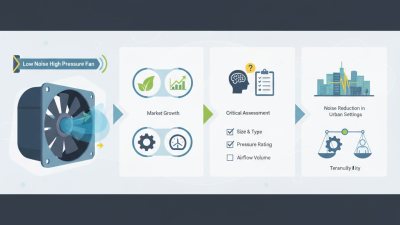
In today's industrial landscape, Low Noise High-Pressure Fans are essential for optimal performance and efficiency. These fans are designed to minimize sound while maintaining high airflow. According to industry reports, these fans can reduce operational noise by up to 30%. This reduction is crucial in environments where noise pollution can affect productivity and well-being.
As industries advance, the demand for energy-efficient solutions increases. The market for high-pressure fans is expected to grow significantly, driven by technological innovations and stringent environmental regulations. Manufacturers are focusing on developing fans that offer enhanced performance with reduced energy consumption. However, some models still struggle to balance noise levels and airflow, highlighting the need for ongoing improvements.
In applications ranging from HVAC systems to industrial processes, the importance of Low Noise High-Pressure Fans cannot be overstated. They contribute not only to comfort but also to energy savings. Yet, challenges remain in achieving optimal designs that meet both performance and noise regulations. Continual research and feedback are vital for overcoming these hurdles and pushing the industry forward.
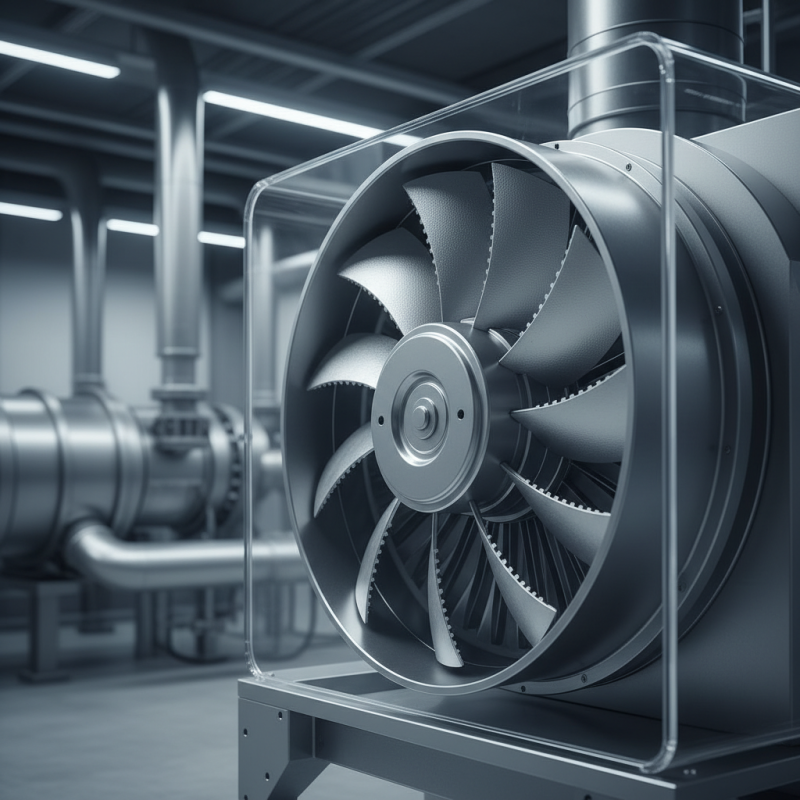
Overview of Low Noise High-Pressure Fans in Various Applications
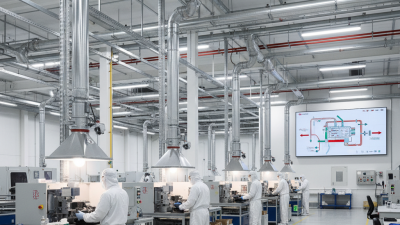
In various applications, low noise high-pressure fans play a crucial role. They are commonly used in industrial settings, HVAC systems, and even in residential areas. These fans operate quietly, which is essential when noise control is a priority. For example, in hospitals, low noise levels help maintain a calm environment for patients.
Efficiency is another critical aspect of these fans. They are designed to move a significant amount of air while consuming less energy. This means they can contribute to lower operational costs over time. However, achieving the perfect balance between performance and noise can be challenging. Factors such as fan design and materials used in construction affect both aspects.
Despite their advantages, not all fans perform well in every situation. Some may struggle in larger spaces or in specific airflow conditions. It's important to assess each application’s unique needs. Making the right choice requires understanding various parameters. Evaluating performance can sometimes lead to unforeseen challenges. Each setting presents its own variables that can impact fan efficiency and noise levels.
Key Features of Low Noise High-Pressure Fans for Improved Efficiency
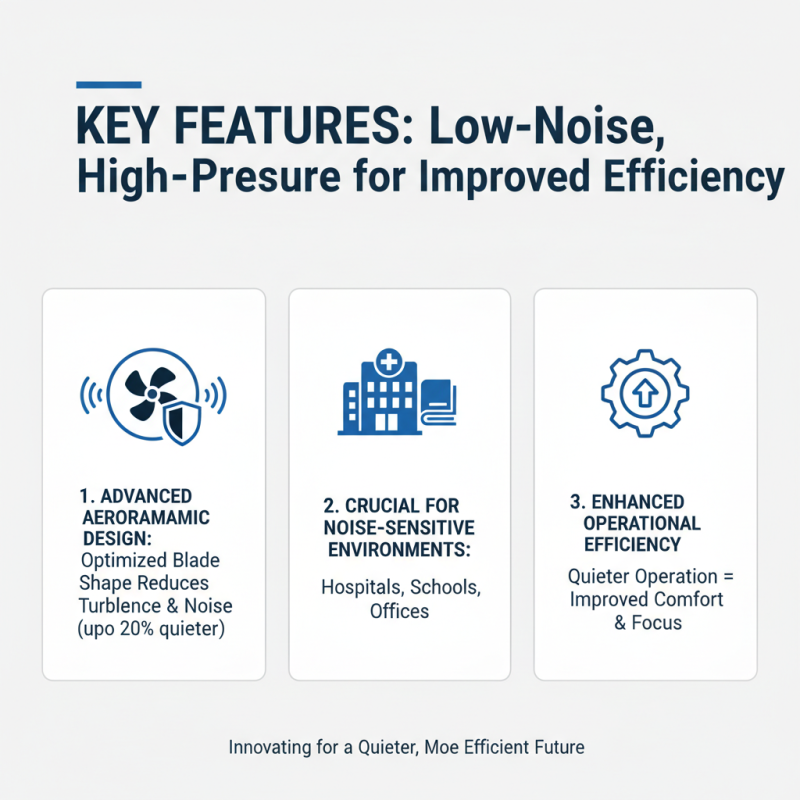
When considering low noise high-pressure fans, certain key features significantly enhance operational efficiency. One important factor is fan design. Advanced aerodynamic designs minimize turbulence, enabling quieter operations. Research shows that fans with optimized blade shapes can reduce noise levels by up to 20%. This is crucial in environments where noise pollution is a concern, such as hospitals or schools.
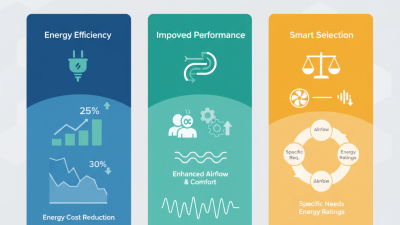
Another aspect to consider is the motor type. Using brushless DC motors can lead to lower noise levels while improving energy efficiency. Studies indicate that these motors can save up to 30% more energy compared to traditional AC motors. This not only reduces operational costs but also lessens environmental impact.
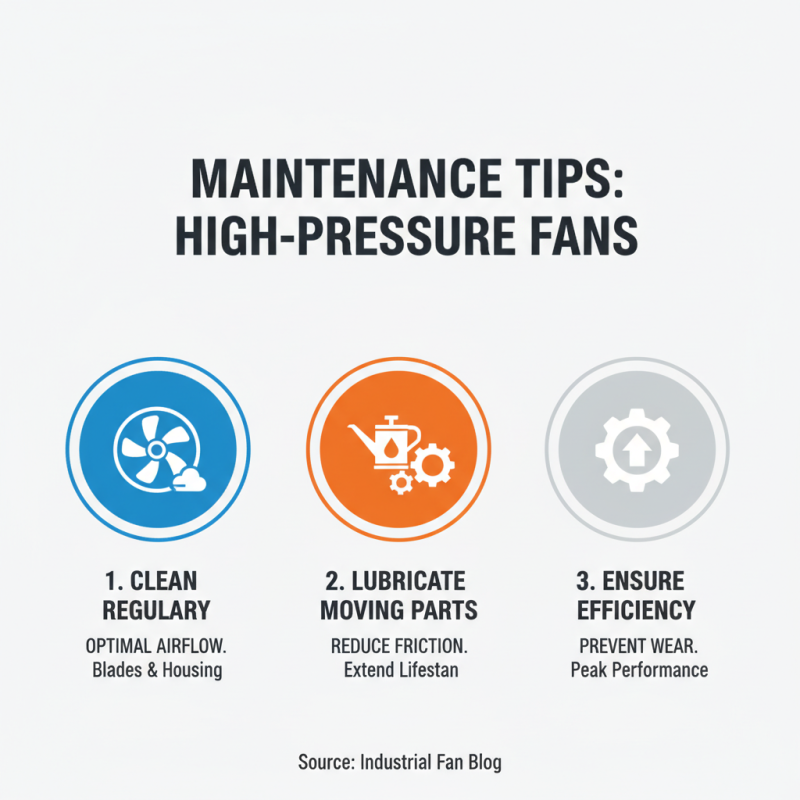
Finally, effective vibration dampening techniques play a vital role. Isolating and mitigating vibrations can lead to quieter operations. Some estimates suggest that improper mounting can increase noise by 15%. Thus, proper installation and maintenance are essential for achieving optimal performance. By focusing on these features, facilities can achieve a balance between efficiency and noise reduction, reflecting a growing demand for sustainable and quiet ventilation solutions.
Top Manufacturers and Brands of Low Noise High-Pressure Fans
When it comes to low noise high-pressure fans, several manufacturers stand out in the industry. These fans are crucial for applications requiring efficient airflow without excessive sound. A report by the Global Ventilation Equipment Market forecasts growth in this sector, estimating a CAGR of 5.8% through 2024. This trend highlights the increasing demand for quieter yet powerful fans.
Manufacturers focus on advanced materials and designs to reduce noise levels while enhancing performance. The use of brushless motors and specialized blades helps in achieving these goals. Noise levels as low as 30 dBA are now possible in high-pressure setups. However, the challenge remains in balancing noise reduction with air pressure efficiency.
Despite advancements, not all fans deliver on promised specifications. Users often find discrepancies between expected and actual performance. It’s essential to carefully evaluate fan specifications. Studies suggest that 20% of low noise fans may underperform. Consumers should conduct thorough research, considering real-world applications. Identifying reliable manufacturers often requires patience and scrutiny.
Top Low Noise High-Pressure Fans Performance Comparison
Comparative Analysis of Performance Metrics for Select Fan Models
When selecting low noise high-pressure fans, understanding performance metrics is key. These fans are crucial for various applications. They offer efficiency while minimizing sound levels. Common metrics include airflow, static pressure, and power consumption.
Tips: Pay close attention to airflow ratings. Fans with higher airflow are often more efficient. However, noise levels may vary. Look for fans that balance both.
Analyzing performance can be tricky. Some models perform well in airflow but lag in static pressure. This discrepancy can impact your setup. Evaluate how these fans work in real-world scenarios. Test them in your environment if possible.
Tips: Don't ignore installation. Improper mounting can lead to increased noise and vibration. Consider a sound-dampening setup. It might enhance overall performance. Always revisit your choices and reflect on their efficiency.