What is a Kitchen Fume Hood and How Does it Work?
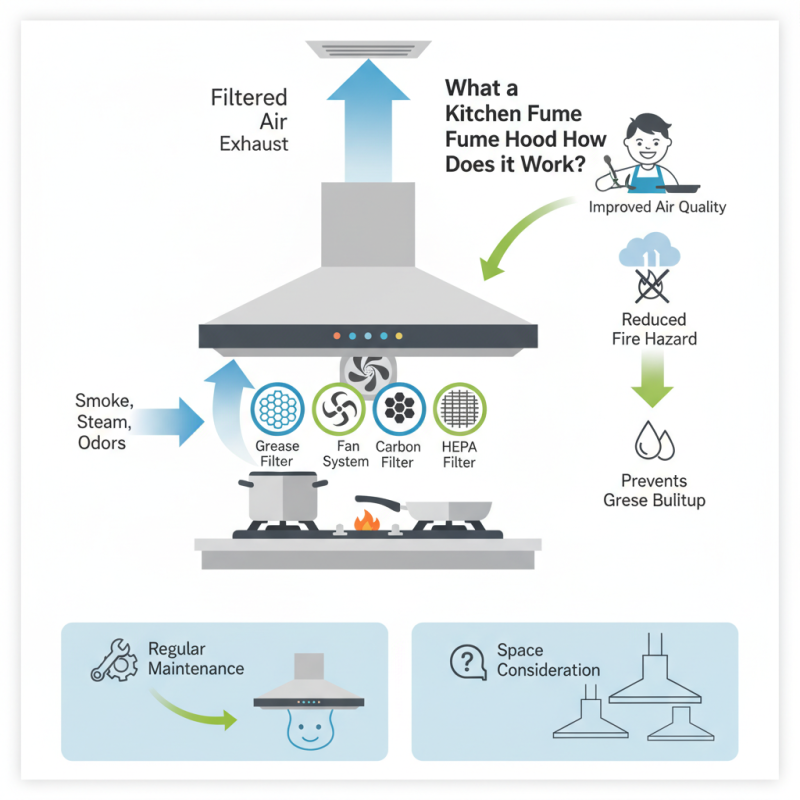
A Kitchen Fume Hood is an essential appliance in modern kitchens. It serves a vital role in maintaining a safe cooking environment. This device captures smoke, steam, and odors generated during cooking. As such, it helps to improve indoor air quality, prevent grease buildup, and reduce fire hazards.
Understanding how a Kitchen Fume Hood works is crucial for effective use. It typically features a fan system that pulls air through filters. These filters can remove particulates and even some toxins. However, not all hoods are created equal. Some may struggle to handle high levels of smoke or strong smells. This raises concerns about their efficiency. Users must regularly maintain their units to ensure they function optimally.
Many people overlook the importance of the Kitchen Fume Hood until problems arise. Installing it properly is essential. But what about those with limited kitchen space? They might face challenges in choosing the right type. It’s a decision that requires careful thought and planning. Ultimately, the efficiency of a Kitchen Fume Hood can significantly influence your cooking experience.
What is a Kitchen Fume Hood?
A kitchen fume hood is an essential appliance for many cooking spaces. It helps to maintain air quality by drawing in smoke, steam, and vapors during cooking. When you ignite a stove, it can produce harmful gases and odors. That's where the fume hood comes into play.
These hoods are typically installed above the stove. They work by using a fan to exhaust air outside or filter it before recirculating. This process helps in removing impurities from the air. A well-functioning hood can greatly improve your cooking experience. However, many people overlook its maintenance. Filters need regular cleaning or replacement. Neglecting this can lead to reduced efficiency.
The design of fume hoods can vary greatly. Some are built into cabinetry, while others are more industrial in appearance. This can affect how well they work. If the hood is too high, it may not capture enough smoke. If it sits too low, it can be in the way. Choosing the right fume hood is critical but often rushed. Think about your kitchen layout and cooking style intentionally.
The Purpose and Benefits of Kitchen Fume Hoods
A kitchen fume hood is a vital component for any cooking area. It serves to filter out smoke, steam, and odors generated during cooking. When you sauté garlic or roast meats, unwanted fumes can quickly fill the air. This is where the fume hood comes in, capturing those particles. The built-in fan creates a suction effect, pulling air in and over the cooking surface. It helps to maintain a cleaner, more pleasant cooking environment.
The benefits of kitchen fume hoods extend beyond just comfort. They significantly improve air quality. A strong airflow reduces the risk of respiratory issues. Cooking over an open flame can release harmful gases. A fume hood helps to mitigate these risks. Additionally, they help prevent grease buildup on your walls and appliances. Imagine the time you save on cleaning! Yet, many forget to check the filters regularly. A clogged filter reduces efficiency, making the hood less effective. This is an easy maintenance step that can often be overlooked.
Benefits of Kitchen Fume Hoods
Types of Kitchen Fume Hoods Available
Kitchen fume hoods are essential for maintaining a safe cooking environment. Several types of kitchen fume hoods are available, each designed for specific needs. The ducted hoods are the most effective in removing smoke and odors. They vent air outside, reducing indoor air pollution. A study indicates that ducted hoods can improve air quality by 30%.
On the other hand, ductless hoods filter air and recirculate it back into the kitchen. While they are easier to install, their effectiveness is limited. Studies show ductless models may not reduce airborne particles efficiently.
Consider your cooking style; if you fry often, a ducted model might be best.
Tips: Pay attention to noise levels in your kitchen. Some models can be quite loud. Regular cleaning is also crucial. Grease buildup can reduce efficiency. Aim to clean filters every month. Don’t overlook the importance of proper installation. A poorly installed hood won’t work effectively.
How Kitchen Fume Hoods Function Mechanically
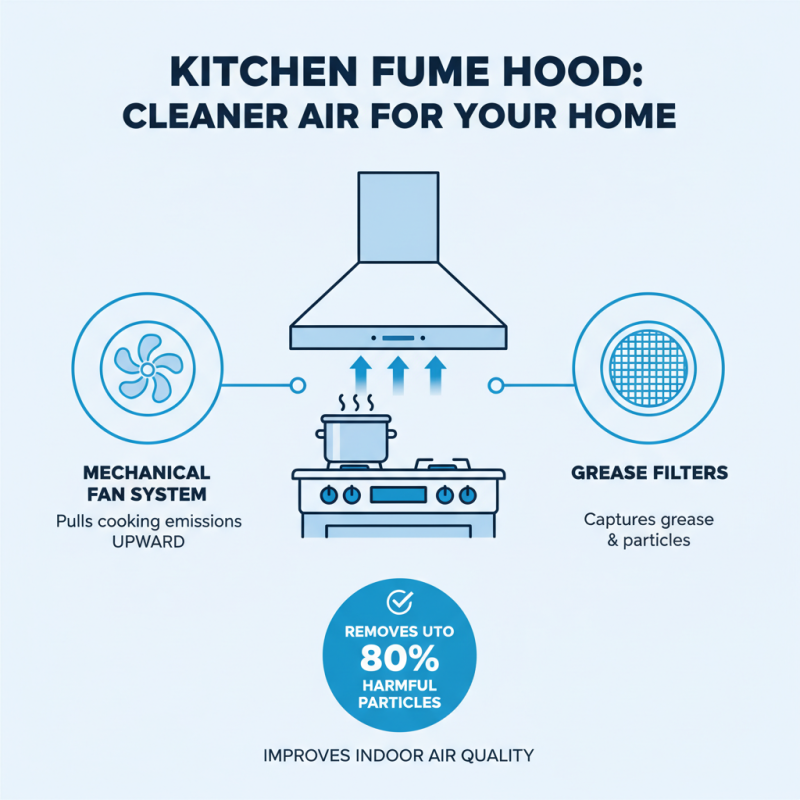
Kitchen fume hoods play a crucial role in maintaining air quality. They work by capturing emissions from cooking, including smoke and vapor. Mechanically, they use a fan system to pull air upward. This air flows through filters that capture grease and other particles. Studies suggest that effective fume hoods can remove up to 80% of harmful particles.
The design of a fume hood matters. It typically includes a hood, ductwork, and a blower. The hood itself is often made of stainless steel, enhancing durability. According to industry reports, proper installation can improve performance significantly. However, irregular maintenance can lead to less efficient airflow. This can expose users to lingering odors and unhealthy air.
Noise is another factor. Some hoods operate at high decibels, which can be disruptive. Users might overlook this when choosing a model. Furthermore, not all kitchens are standardized. Variations in layout can affect how well a hood performs. An ill-fitted model may not capture emissions effectively. This requires reconsideration of design choices in kitchen planning.
Installation and Maintenance of Kitchen Fume Hoods
Installing a kitchen fume hood is crucial for safety and efficiency. The typical installation requires proper ductwork and ventilation systems to optimize airflow. According to the National Fire Protection Association, proper installation can reduce kitchen fire hazards by up to 50%. The placement of the hood should ensure a distance of at least 30 inches above cooking surfaces. This height helps capture smoke and vapors effectively.
Regular maintenance is key to keeping fume hoods functional. Cleaning filters every month is essential to prevent grease buildup. A study by the American Society of Heating, Refrigerating and Air-Conditioning Engineers suggests that neglected filters can reduce airflow by as much as 30%. Inspecting ductwork for blockages is equally important. Even minor obstructions can significantly impair performance and effectiveness.
Failure to maintain equipment can lead to costly repairs or safety issues. Kitchen environments can be demanding. Regular checks and a cleaning schedule should not be overlooked. Ensuring your fume hood operates correctly can make a significant difference in your kitchen’s safety.