2026 How to Effectively Implement Local Exhaust Ventilation Systems?
Effective implementation of Local Exhaust Ventilation (LEV) systems is vital for workplace safety. The American Industrial Hygiene Association (AIHA) emphasizes that proper ventilation can reduce airborne contaminants by up to 90%. Many industries, from manufacturing to healthcare, rely on LEV to protect workers from hazardous exposures. However, despite its importance, studies show that over 30% of LEV systems are not properly maintained or optimized.
It is concerning that many organizations underestimate the significance of LEV implementation. A report by the National Institute for Occupational Safety and Health (NIOSH) highlights that inadequate ventilation contributes to respiratory issues among 20% of workers in certain sectors. This statistic should prompt companies to reassess their ventilation needs. Considerable investment in LEV systems can lead to long-term savings. Yet, the challenge lies in ensuring these systems operate effectively.
Companies often face obstacles when implementing LEV. Budget constraints and lack of training can hinder optimal installation and maintenance. To address this, organizations should prioritize continuous education on ventilation best practices. Regular assessments and updates of LEV systems are essential. This reflection can reveal areas for improvement, ultimately fostering a safer work environment.
Understanding the Basics of Local Exhaust Ventilation Systems
Local exhaust ventilation systems, or LEVs, play a crucial role in maintaining air quality. They capture harmful contaminants at their source. This ensures that workers are safe in various environments.
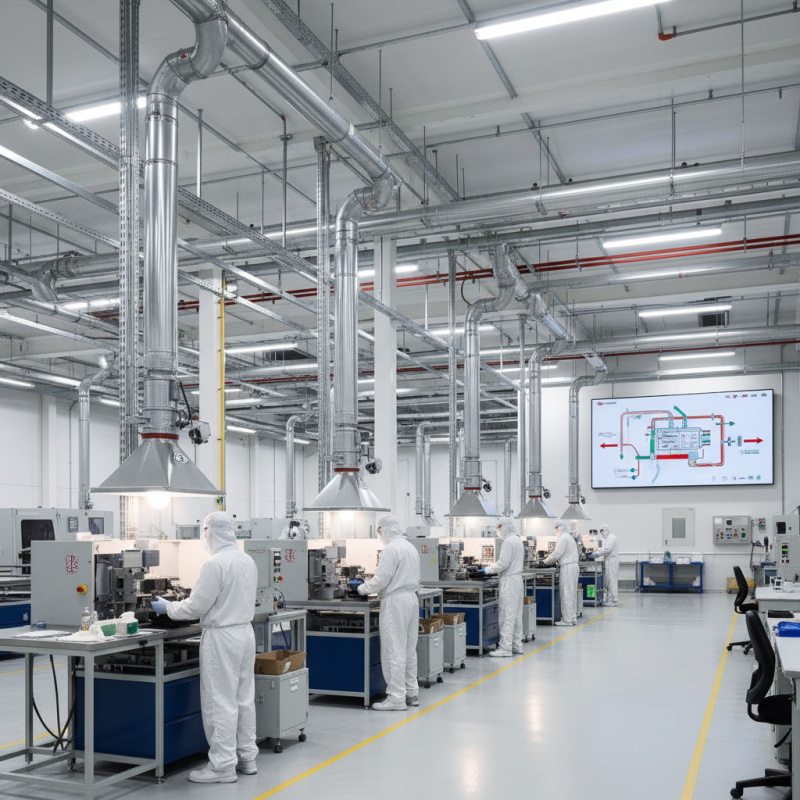
Understanding LEVs starts with their basic components. Each system includes hoods, ducts, and exhaust fans. The hood captures the contaminated air. It should be located close to the source of pollutants. This positioning can be challenging. An improperly placed hood may not effectively capture all contaminants, letting them escape into the workspace.
The effectiveness of these systems often depends on maintenance. Regular checks are vital; clogged filters reduce efficiency. Sometimes, users underestimate their importance. A clean filter is essential for optimal airflow. Additionally, training staff on proper use is crucial. Many workers may not know how to utilize the system effectively. This can lead to overlooked hazards. Proper understanding and implementation can greatly enhance workplace safety.
2026 Local Exhaust Ventilation Systems Effectiveness
This chart represents the effectiveness of local exhaust ventilation systems in different work environments. The data shows the percentage of contaminants removed from the air in various settings.
Evaluating the Need for Local Exhaust Ventilation in Different Industries
Local exhaust ventilation (LEV) systems are crucial in various industries. They help control airborne contaminants effectively. This is especially important in manufacturing environments, where dust and fumes are prevalent. Industries like metalworking, woodworking, and chemical processing must assess their ventilation needs carefully. Each setting presents unique challenges that require tailored solutions.
Consider a woodworking shop. Dust can accumulate rapidly, posing health risks for workers. Installing LEV systems at key points can significantly reduce dust exposure. However, the design may not always match the actual workflow. This discrepancy can lead to inefficiencies and insufficient ventilation. Therefore, regular evaluations and adjustments are necessary to ensure safety and compliance.
In the chemical industry, fumes and vapors can create hazardous environments. LEV systems need to be strategically placed to capture these contaminants at the source. The effectiveness of these systems can vary depending on factors like airflow and equipment layout. Regular maintenance is essential. Sometimes, LEV systems are underused due to poor training or awareness. This can undermine their function and expose workers to risks. Continuous education about LEV usage is vital for overall safety.
Key Components of Effective Local Exhaust Ventilation Designs
Effective local exhaust ventilation (LEV) systems are vital for maintaining air quality in various workspaces. Understanding the key components of LEV designs can significantly enhance their performance. These components include hoods, ducts, fans, and filters. Hoods should be strategically placed to capture contaminants right at the source. This placement can significantly reduce workers’ exposure to harmful substances.
Tip: Regularly assess hood placement. Sometimes, a minor adjustment can lead to better capture efficiency.
Ducts must be sized correctly to facilitate optimal airflow while minimizing resistance. Poorly designed ducts might not effectively transport contaminants away, leading to inefficiencies. Fans need to be powerful enough to maintain airflow but also energy efficient to avoid high costs.
Tip: Monitor fan performance regularly. Over time, even the best systems require adjustments based on changes in workspace layout.
Filters play a crucial role in cleaning the air. Choosing the right filter type for specific contaminants is essential. Remember, filters wear out and must be replaced periodically to maintain effectiveness.
Tip: Keep a replacement schedule. This helps in maintaining optimal air quality and compliance with safety standards.
Steps for Installing and Commissioning Local Exhaust Ventilation Systems
Installing and commissioning local exhaust ventilation (LEV) systems requires careful planning. The first step involves assessing the workspace to identify sources of airborne contaminants. Data shows that effective LEV systems can reduce exposure to harmful substances by over 90%. This is crucial for worker safety.
Next, the installation process must consider duct routing and equipment placement. Each setup is unique, influenced by layout and specific contaminants. Adjusting the duct size can affect airflow rates. Airflow should match the contaminant's density. Inadequate ventilation can lead to trapped pollutants, making matters worse. Regular adjustments and checks are vital to ensure compliance with industry standards.
Once installed, the system must be commissioned properly. This includes testing airflow and ensuring all components work consistently. For example, an airflow control system needs to adapt to changes in the workspace. A report by the Occupational Safety and Health Administration highlights that 30% of LEV systems fail to maintain sufficient airflow after the initial installation. This reveals opportunities for improvement in ongoing maintenance and training. Identifying these gaps is essential for achieving optimal performance.
Maintenance and Monitoring Strategies for Long-term Efficiency
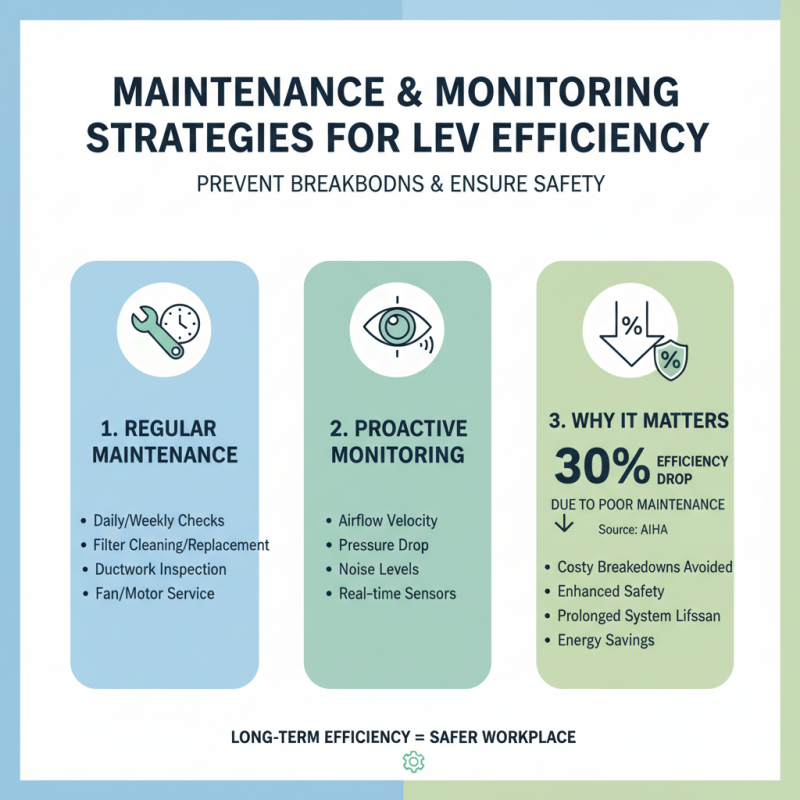
Implementing local exhaust ventilation (LEV) systems requires a focus on maintenance and monitoring. Regular checks can prevent costly breakdowns. According to the American Industrial Hygiene Association, improper maintenance can lead to a 30% drop in system efficiency. This inefficiency often goes unnoticed until significant safety issues arise.
Key maintenance tasks include cleaning ducts and inspecting filters. Blocked filters can restrict airflow. In fact, the National Safety Council states that air quality can deteriorate significantly when maintenance is neglected. Monitoring airflow rates regularly is crucial. Using simple gauges can help ensure the system operates within required parameters. However, companies often overlook this step, leading to increased stress on the system.
Real-time monitoring can enhance long-term efficiency. Installing sensors can provide immediate data on system performance. Yet, many facilities hesitate to adopt this technology due to costs. This reluctance can compromise worker safety and health. Regular maintenance schedules should be created and adhered to, ensuring all components function optimally. It's clear that without rigorous maintenance and monitoring, LEV systems may not perform as intended. This poses risks that could easily be avoided.