How to Choose the Right Fan for Industry Applications?
Choosing the right fan for industry applications is crucial. Fans are essential for various processes, including cooling and ventilation. Selecting an appropriate "fan for industry" can directly affect efficiency and productivity.
While it's easy to overlook this decision, the implications are significant. Operating a mismatched fan can lead to energy waste and equipment failure. When evaluating options, consider airflow requirements, energy consumption, and noise levels.
Manufacturers offer a range of choices, each with unique specifications. Researching these factors can be overwhelming. However, a well-informed decision can boost overall operational effectiveness. Regular evaluations and adjustments may be necessary as industry needs change. Engaging with experts can enhance your understanding of fan performance.
Factors to Consider When Selecting Industrial Fans
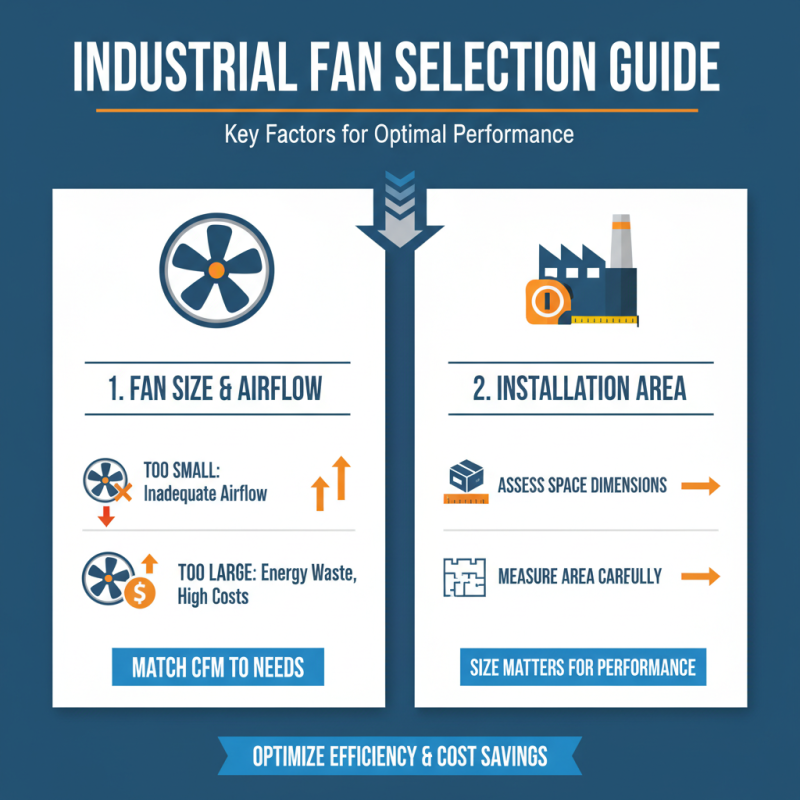
When selecting industrial fans, several factors should be taken into account. The size of the fan is crucial. A fan that is too small will not provide adequate airflow. Conversely, an oversized fan can lead to energy waste and increased costs. Assess the area where the fan will be installed. Measure the space because dimensions matter deeply in fan performance.
The type of material used in the fan's construction also influences its efficiency. Certain industries may require corrosion-resistant materials. This is especially important in environments with chemicals or high humidity. Noise levels are another factor. A fan operating in a quiet space requires careful consideration to minimize sound.
Airflow direction and pressure are key elements too. Ensure the fan can achieve the necessary static pressure for your application. Depending on the task, it might be worth reflecting on whether a centrifugal fan or an axial fan would serve better. Each design has its strengths and weaknesses. Careful evaluation of these aspects can lead to a more reliable and effective selection process for your industrial needs.
Types of Industrial Fans and Their Applications
When selecting industrial fans, understanding types and applications is crucial. Centrifugal fans are common in various industries. They generate high pressure, ideal for moving air through ducts. These fans are often used in HVAC systems and dust collection.
Axial fans, on the other hand, move large volumes of air with low pressure. They're frequently found in cooling systems and ventilation processes. A drawback is their less efficient performance in high-resistance applications. This can lead to potential overkilling on more demanding tasks.
When choosing a fan, consider your specific needs. Calculate the required airflow and pressure. Ensure compatibility with your existing systems. Assess the environment, too. If your application involves corrosive substances, select materials carefully. Remember, ventilation needs can change. Stay flexible and ready for adjustments. Each application has unique requirements. Understanding them will lead to better decisions.
How to Choose the Right Fan for Industry Applications? - Types of Industrial Fans and Their Applications
| Type of Fan |
Application |
Advantages |
Typical Industries |
| Axial Fan |
Ventilation in buildings |
High airflow with low pressure |
Commercial, Residential |
| Centrifugal Fan |
Dust collection systems |
High pressure and better efficiency |
Manufacturing, Mining |
| Blower |
Air drying systems |
High static pressure |
Food Processing, Agriculture |
| Exhaust Fan |
Air extraction in kitchens |
Removes heat and odors |
Restaurants, Laboratories |
| Mixed-Flow Fan |
HVAC systems |
Balanced performance between axial and centrifugal |
Commercial Buildings, Hospitals |
Assessing Airflow Requirements for Fan Selection
When selecting a fan for industrial applications, assessing airflow requirements is critical. The proper airflow ensures efficiency and performance. According to industry studies, inadequate airflow can lead to increased energy consumption and equipment failures. Fans need to provide sufficient air exchange to maintain optimal conditions, especially in manufacturing and processing environments.
Understanding the specific airflow needs is vital. A report from the American Society of Heating, Refrigerating and Air-Conditioning Engineers indicates that even a 10% increase in airflow can significantly improve cooling efficiency. This data underscores the necessity to calculate the required cubic feet per minute (CFM) based on the space and processes involved. Overlooking these metrics may result in suboptimal performance.
Tip: Always consider the fan's static pressure capability. This detail often influences performance in various applications.
Choosing the wrong size can also lead to poor air movement and system overstrain. Lack of airflow might cause unusual heat buildup, affecting product integrity. A precise airflow requirement analysis is indispensable to prevent costly downtime.
Tip: Conduct routine airflow assessments to evaluate your system's effectiveness. Regular checks can catch potential issues early, ensuring longevity and reliability.
Evaluating Energy Efficiency and Performance Metrics
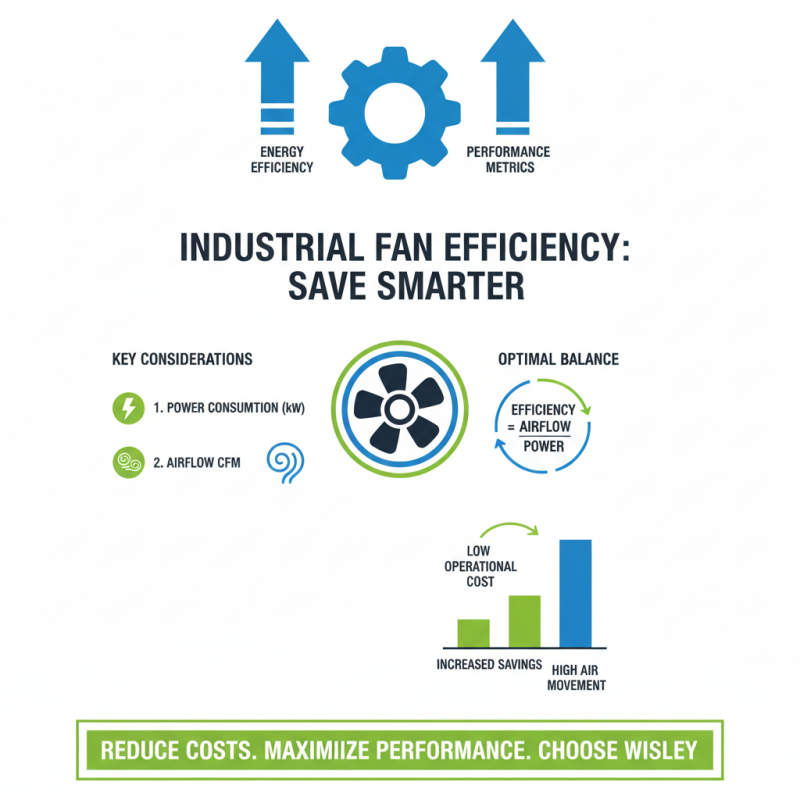
When selecting a fan for industrial applications, energy efficiency is key. A highly efficient fan can significantly reduce operational costs. Consider how much energy the fan uses compared to the air movement it generates. Look for fans that offer a balance between power consumption and airflow performance. This can lead to savings over time.
Performance metrics play a crucial role too. Factors like airflow rate, static pressure, and noise level matter. For instance, a fan with high airflow might be inefficient in terms of energy usage if it generates excessive noise. It’s essential to analyze the specific requirements of your application. A fan that works well in one setting may underperform in another.
Lastly, keep an eye on the physical size of the fan. Compact designs can fit into tighter spaces but may have limitations in airflow efficiency. Also, consider maintenance requirements. Some designs are easier to maintain than others, affecting long-term reliability. Regular evaluation of all these factors is vital for achieving optimal performance.
Maintenance and Durability Factors in Fan Selection
When selecting a fan for industrial applications, maintenance and durability are crucial. Fan systems endure harsh environments, and prolonged exposure can lead to wear and tear. Regular maintenance is essential to maximize operational lifespan. Routine inspections can catch potential issues early, ensuring smooth functionality.
Durability depends on the materials used in construction. High-quality components resist corrosion and fatigue. Selecting the right fan materials can significantly impact its longevity. However, overconfidence in durability can result in neglect. Industry professionals must recognize the signs of wear and act accordingly. A reactive approach to maintenance often leads to costly downtimes.
Additionally, consider the fan's environment. Dust, moisture, and temperature variations can all affect performance. Fans in humid areas may need more frequent checks. Poor decision-making in these aspects can cause failures. Balancing durability with maintenance needs might seem straightforward, yet this complexity often trips up users. A keen eye for details can make a notable difference in efficiency over time.
How to Choose the Right Fan for Industry Applications?