
Leave Your Message

2026 Best Ventilation System Tips for a Healthy Home?

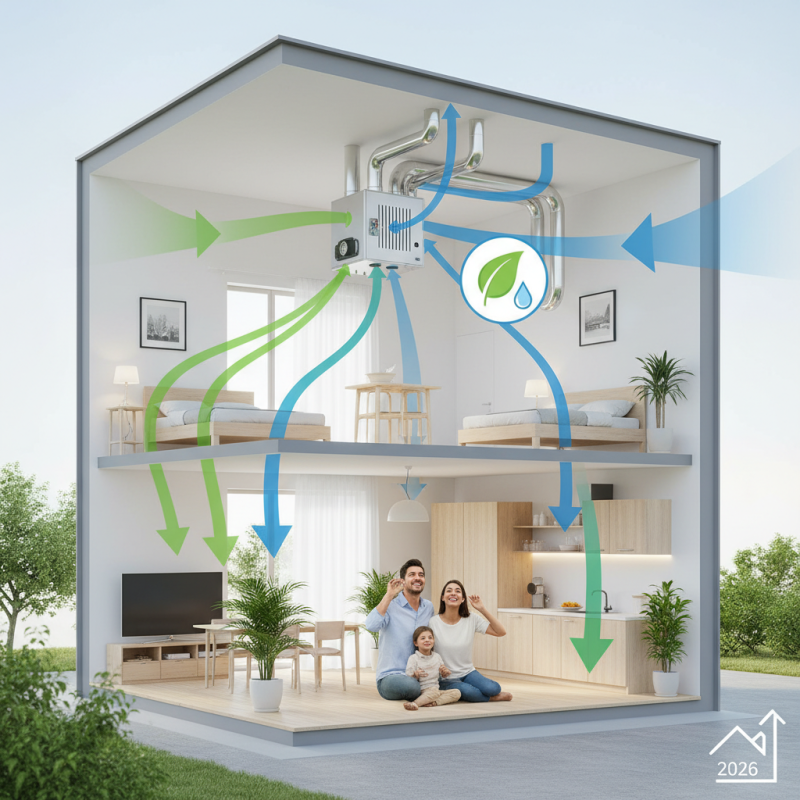
A well-designed Ventilation System is critical for a healthy home. It helps maintain indoor air quality and regulates humidity levels. Poor ventilation can lead to allergens, mold, and health issues.

In 2026, understanding ventilation systems is essential. Many homeowners overlook this aspect. They may not realize how significant proper airflow is to their wellbeing. An efficient system allows fresh air in and keeps pollutants out. However, it requires regular maintenance and thoughtful design.

Consider your space's unique needs. Different environments may require varied solutions. Investing in a reliable Ventilation System now can prevent future health problems. Let’s explore effective tips to enhance your home's ventilation. It's time to breathe easier and live healthier.
2026 Best Ventilation System Tips for a Healthy Home?

Understanding the Importance of Ventilation for Home Health

2026 Best Ventilation System Tips for a Healthy Home?

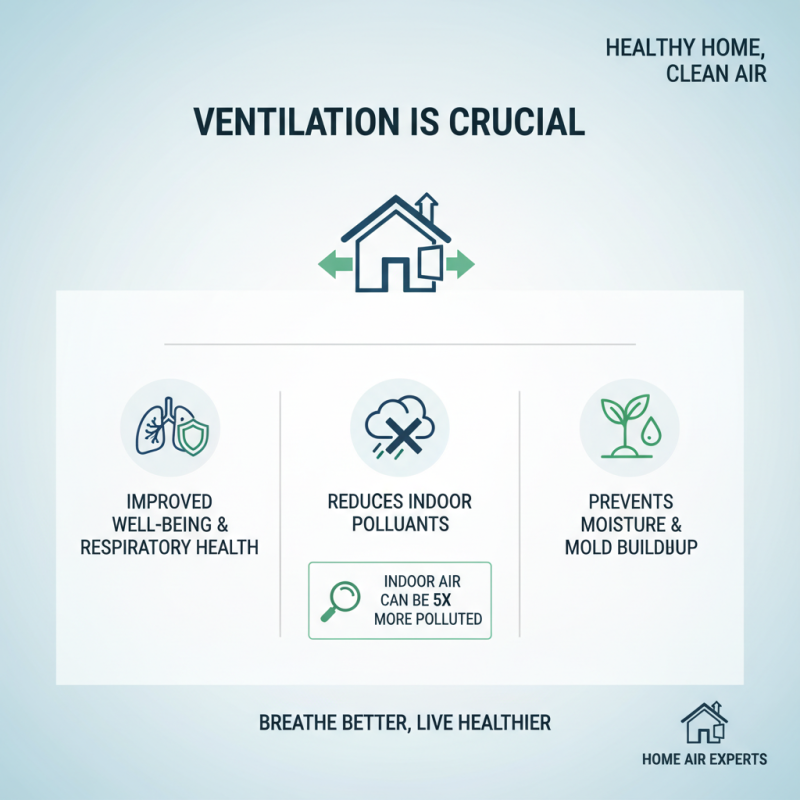
Ventilation is crucial for a healthy home. It impacts indoor air quality and overall well-being. Poor ventilation can lead to a buildup of pollutants. According to research, indoor air can be five times more polluted than outdoor air. This is concerning, especially for those with respiratory issues.

Proper ventilation helps reduce moisture. High humidity can encourage mold growth. The Environmental Protection Agency states that mold thrives in damp conditions. Even small leaks can lead to significant mold problems over time. Families should check for any signs of excess moisture, especially in basements and bathrooms.

Moreover, fresh air circulation is essential. Studies show that well-ventilated homes improve cognitive function. Residents reported feeling more alert and productive in spaces with adequate airflow. On the flip side, neglecting ventilation can lead to fatigue and decreased focus. Regular checks and adjustments to the ventilation system can make a significant difference in comfort and health.
Types of Ventilation Systems: Natural, Mechanical, and Hybrid Options

Ventilation systems play a crucial role in maintaining indoor air quality. There are three primary types: natural, mechanical, and hybrid. Each offers unique benefits and challenges.

Natural ventilation relies on wind and temperature differences. This method is cost-effective. However, it can be inconsistent, especially in areas with stagnant air. According to the U.S. Environmental Protection Agency, good ventilation can reduce indoor pollutants by up to 50%.

Mechanical ventilation systems use fans and ductwork to circulate air. These systems provide controlled airflow. They can effectively filter and condition air. A study by the National Institute of Standards and Technology indicates that mechanical systems can significantly lower humidity levels, improving comfort. Yet, mechanical systems often demand regular maintenance and energy usage.

Hybrid systems combine both natural and mechanical methods. They adapt to changing environmental conditions. This flexibility can optimize air quality and efficiency. However, they can be complex. Balancing the two methods requires careful planning. Many homeowners find it daunting. In a world where air quality is declining, understanding these systems is vital.

Key Factors to Consider When Choosing a Ventilation System

2026 Best Ventilation System Tips for a Healthy Home?

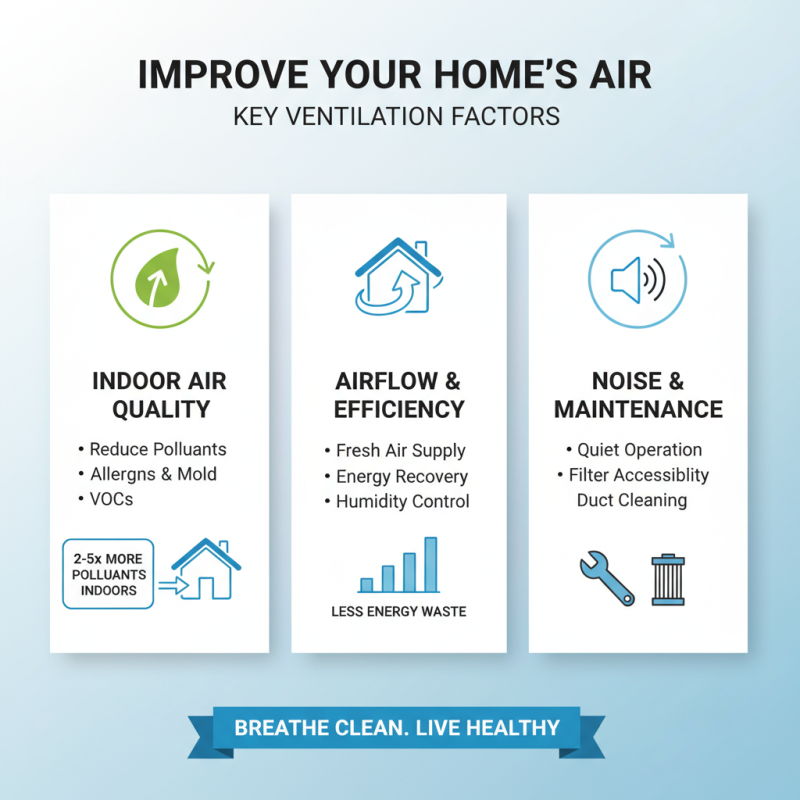
When selecting a ventilation system, several critical factors need attention. Indoor air quality is paramount. According to the Environmental Protection Agency (EPA), poor ventilation can lead to a concentration of pollutants. These can include allergens, mold spores, and volatile organic compounds (VOCs). Homes with inadequate ventilation can have levels of indoor pollutants two to five times higher than outdoor air.

Energy efficiency is another essential factor. Systems vary in how much energy they consume. A study by the American Society of Heating, Refrigerating and Air-Conditioning Engineers (ASHRAE) notes that the right choice can reduce energy costs by up to 30%. However, finding the balance between functionality and efficiency can be challenging.

Moreover, place and climate should dictate system choices. A system that works well in humid areas may not be ideal in dry climates. Users often overlook filter maintenance, an easy component to forget, but essential for optimal performance. Regular cleaning and replacement can significantly enhance efficiency. Ultimately, every home has unique needs, and decisions must be tailored.

Best Practices for Maintaining a Healthy Home Environment

A healthy home environment starts with proper ventilation. Good air circulation helps reduce indoor pollutants. Opening windows whenever possible can be an easy fix. Fresh air can do wonders for stale indoor air. It’s a small effort that yields big rewards for health.

Regular maintenance of ventilation systems is crucial. Dust and allergens build up over time. Cleaning filters and ducts can prevent these problems. Neglecting this can lead to poor air quality. Many people forget this simple task. They may notice allergies increasing but overlook the cause.

Consider plants as natural air filters. Certain plants can improve indoor air quality. They add beauty while serving a practical purpose. It’s essential to choose the right ones for your space. Sometimes, they may require extra care, which can be a challenge. Balancing maintenance with benefits is key. Every little step contributes to a healthier home.

Signs Your Home Needs an Upgrade in Ventilation System

Is your home feeling stuffy or musty? Poor ventilation can be the cause. Let’s identify some signs that your home needs an upgrade.

First, increased humidity is a red flag. If you notice condensation on windows or walls, it might be time for a change. Mold and mildew thrive in such conditions, which can harm your health. Pay attention to your indoor air quality. If you smell lingering odors or feel respiratory discomfort, your ventilation may not be keeping up.

Another sign is temperature imbalance. Are some rooms too hot while others are too cold? This inconsistency can arise from insufficient airflow. You might even notice dust accumulation. Frequent dusting indicates poor circulation. It’s a clear sign to evaluate your system. Updated systems can make a real difference in comfort and air quality. How does your home measure up?