Best Environmentally Friendly Fans for Sustainable Living?
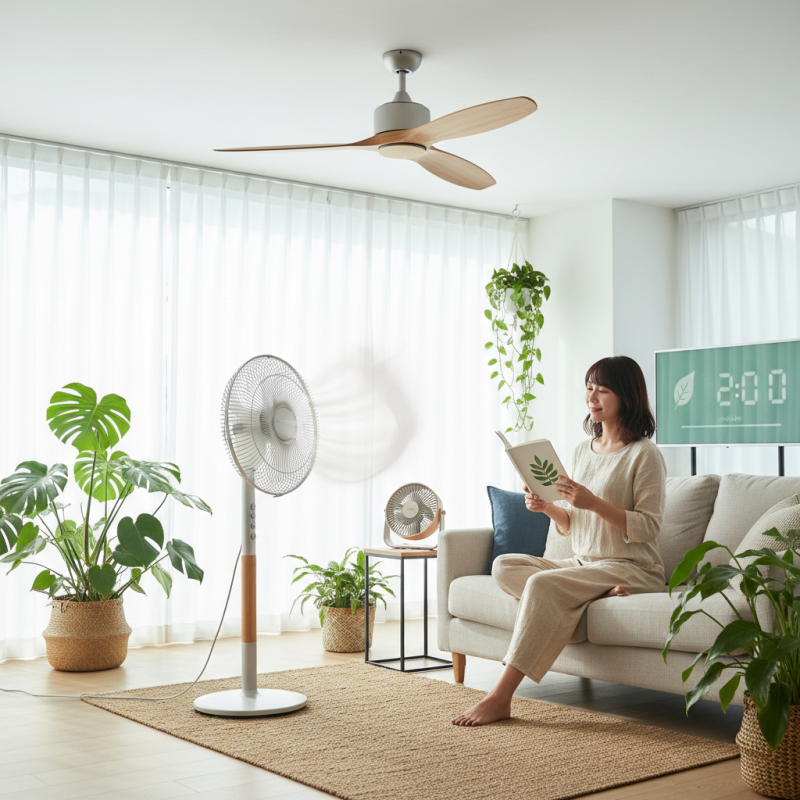
In the quest for sustainable living, choosing the right appliances is crucial. One often overlooked aspect is cooling solutions, specifically Environmentally Friendly Fans. These fans provide an energy-efficient alternative to traditional air conditioning, promoting a greener indoor environment.
Dr. Emily Green, an expert in sustainable technology, once stated, "Small choices in our daily lives can significantly impact the planet." This sentiment rings true for home cooling solutions. Environmentally Friendly Fans not only reduce energy consumption but often use sustainable materials that minimize waste.
However, the market isn't perfect. Some products may claim to be eco-friendly but lack actual sustainability features. Consumers must educate themselves on genuine environmentally friendly options. While embracing these fans is a step forward, continual reflection on their effectiveness and true environmental costs is essential.
Types of Environmentally Friendly Fans for Home Use
When selecting environmentally friendly fans for home use, consider various types that contribute to
sustainable living.
Ceiling fans are a popular choice. They circulate air efficiently, reducing the need for air conditioning.
Many models use energy-efficient motors, which consume less electricity. Opting for fans with the
Energy Star label can further enhance energy conservation.
Another option is tower fans. These space-saving designs fit well in small areas.
They often come with multiple speed settings. You can adjust them based on your comfort needs. Some models even feature
reusable filters, promoting cleaner air quality. However, not all tower fans have this feature.
Always check the specifications before purchasing.
Window fans are also an excellent choice. They can help cool your home naturally by
drawing in fresh air. This reduces dependence on traditional cooling systems. Moreover, they are typically easy to install and maintain.
Yet, their efficiency may vary based on outdoor conditions. Users must assess their local climate for optimal performance.
Making the right choice requires careful consideration of these factors.
Key Features to Consider in Sustainable Fan Selection
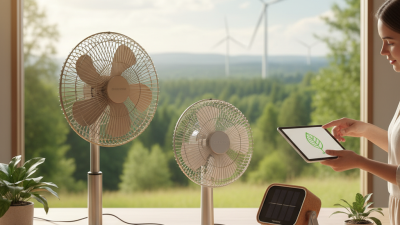
When selecting an environmentally friendly fan, consider its energy source. Look for models that use renewable energy, such as solar. These fans can help reduce your carbon footprint significantly. Additionally, energy-efficient designs minimize electricity consumption.
Durability is crucial in sustainable products. A high-quality fan should last longer, reducing the need for replacements. Check materials used in the fan. Eco-friendly fans often incorporate recycled or sustainable materials. This not only helps the environment but also contributes to a reduced waste cycle.
Noise levels can also be a concern. Many sustainable fans operate quietly, making them suitable for all settings. However, be cautious; some models may produce annoying noise. Look for user reviews to gauge real-life experiences. Balancing performance with eco-friendliness can lead to a more sustainable lifestyle, even if it requires some trial and error.
Energy Efficiency Ratings and Their Importance in Fans
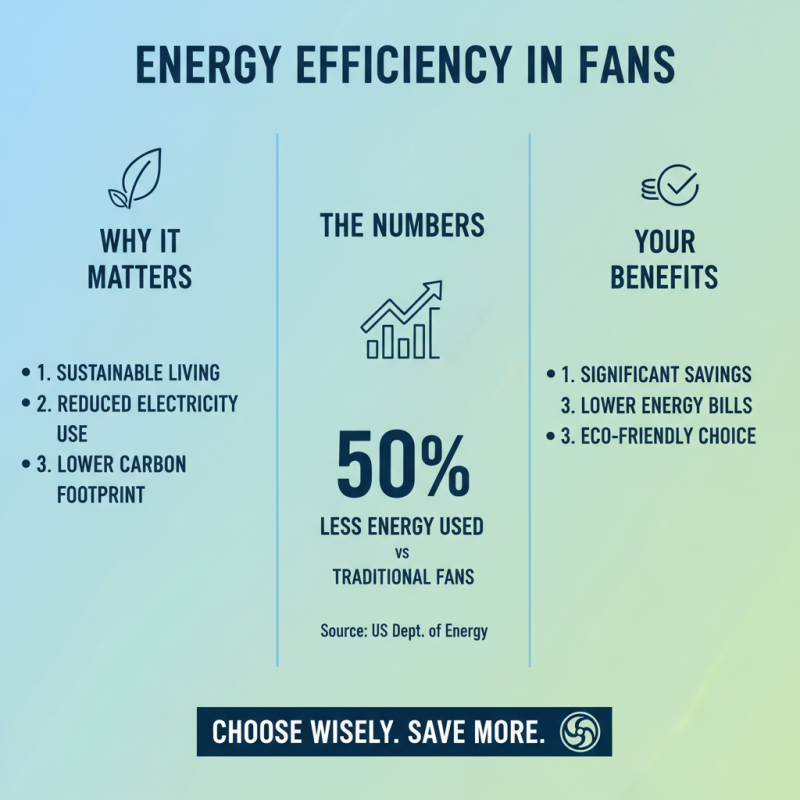
Energy efficiency ratings are crucial when selecting environmentally friendly fans for sustainable living. Fans with higher efficiency ratings consume less electricity. According to the U.S. Department of Energy, efficient fans can reduce energy use by 50% compared to traditional models. This can lead to significant savings on energy bills and lower carbon footprints.
Moreover, energy-efficient fans often have additional features. Many come with programmable settings. This allows users to adjust operating times automatically. A report from the Electric Power Research Institute highlights that using such features can maximize energy savings. Despite these advantages, many consumers still choose less efficient models. Often, this is due to a lack of awareness about energy ratings. Understanding these ratings is key to making informed choices.
While energy-efficient fans contribute to sustainability, they also pose challenges. Not all consumers know how to interpret energy labels effectively. Educating oneself about these ratings is vital. Ultimately, choosing the right fan should combine efficiency with user needs. It is a delicate balance between efficiency and functionality, but it is worth exploring.
Materials and Manufacturing Processes for Eco-Friendly Fans
When selecting environmentally friendly fans, materials and manufacturing processes are crucial. Sustainable fans often utilize bamboo, recycled plastic, and metal. Bamboo is lightweight and biodegradable, making it an excellent choice. Recycled plastics, on the other hand, help reduce waste but can be less durable. Metal components offer longevity, but their production may involve high energy consumption.
The manufacturing process also significantly impacts sustainability. Many eco-friendly fans are produced using renewable energy sources. This reduces the carbon footprint of the product. However, not all manufacturers fully embrace this method. Some still rely on conventional energy, which undermines their green message.
It’s important to consider the overall lifecycle of these fans. Some designs may prioritize aesthetics over practicality. These fans can become obsolete quickly, leading to more waste. Consumers should seek out options that balance style and functionality while ensuring they are genuinely eco-conscious. Not all so-called "green" products live up to their promise. Research is key in making informed choices that truly benefit the environment.
Best Environmentally Friendly Fans for Sustainable Living
This chart illustrates the sustainability scores of various materials used in eco-friendly fans. A higher score indicates better environmental friendliness, making it easier for consumers to make informed choices for sustainable living.
Maintaining and Recycling Fans for Sustainable Living
Choosing environmentally friendly fans can significantly contribute to sustainable living. However, it is essential to focus on maintaining and recycling these devices to extend their lifespan. Regular maintenance ensures optimal performance and reduces waste. Clean the fan blades and motor area regularly to enhance airflow and efficiency. This simple act can save energy and improve air quality in your living space.
Recycling fans when they reach the end of their life is crucial. Many components of a fan can be repurposed or recycled, including metal, plastic, and electronic parts. Check local recycling programs to see if they accept electronic appliances. If possible, consider donating your old fan if it still works. It can be a valuable resource for someone in need.
Tips: Keep all fan components clean and well-lubricated. This practice reduces wear and extends usability. Additionally, plan to replace old fans responsibly. Research local e-waste facilities for proper disposal. Taking these steps not only helps reduce landfill waste but also supports the environment in more significant ways. Reflect on your choices and their impact on the planet regularly.