2026 Best Efficient Industrial Fan Options for Optimal Performance
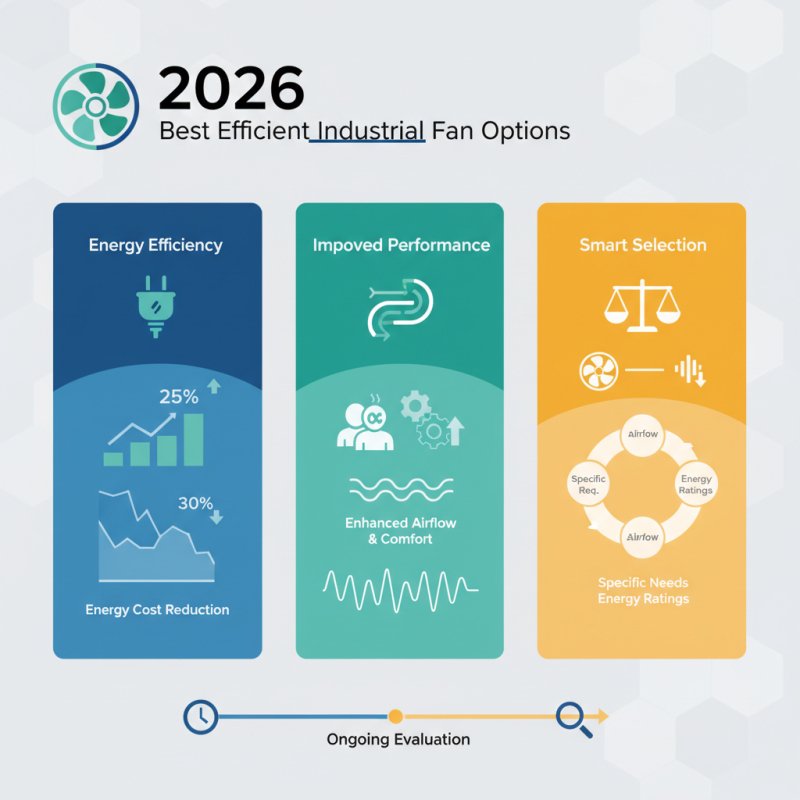
In the quest for operational efficiency, the choice of an "Efficient Industrial Fan" plays a crucial role. Industrial fans account for roughly 25% of total energy consumption in manufacturing and HVAC systems. Therefore, selecting the right fan can significantly reduce energy costs. Moreover, advanced designs can enhance airflow, leading to better climate control in work environments and improved equipment longevity.
Recent data reveals that investing in high-performance fans can create savings of up to 30% in energy usage. However, not all fans are created equal. Many companies still use outdated models that fall short of today's efficiency standards. This gap highlights a need for ongoing evaluation of fan systems to avoid wasted energy and increased operational costs.
The ideal fan must also balance airflow with noise levels. Many efficient models operate at lower decibel levels, enhancing workplace comfort. Nevertheless, finding the right unit requires careful consideration of specific industrial needs, airflow requirements, and energy ratings. Assumptions about performance should be tested regularly to ensure that the selected equipment remains effective over time.
Overview of Industrial Fans: Importance and Applications
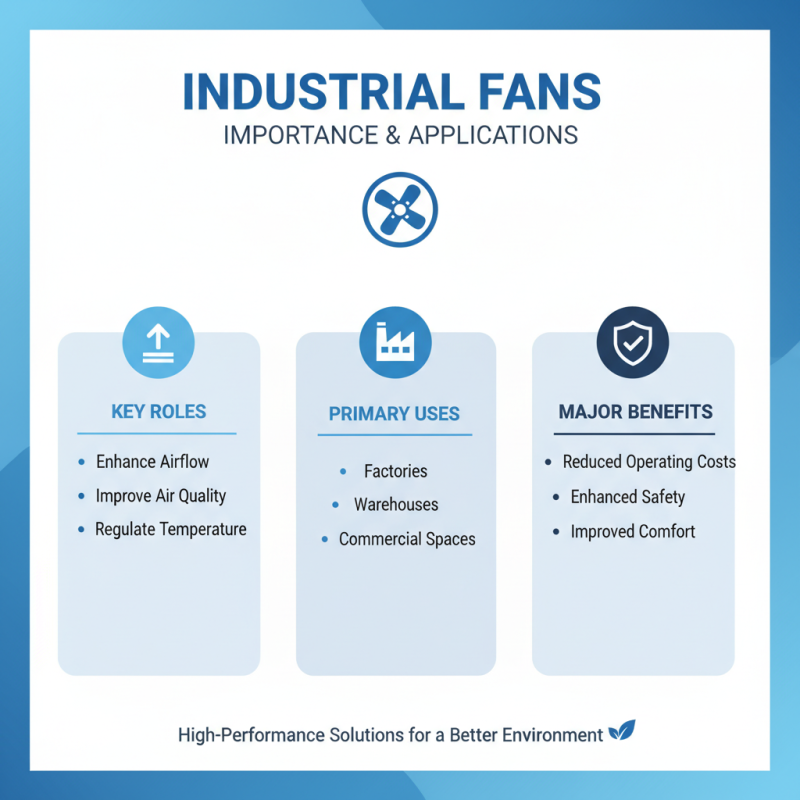
Industrial fans play a crucial role in various sectors. They enhance airflow, improve air quality, and regulate temperatures. Factories, warehouses, and commercial spaces use them extensively. High-performance fans can reduce operating costs while ensuring safety and comfort.
When selecting an industrial fan, consider the specific application. Assess the size of the space and airflow requirements. Different environments demand varying fan types, configurations, and power levels. Mistakes in choosing can lead to inefficiency or excessive noise.
Tips: Regular maintenance is essential for optimal performance. Check for obstructions regularly. Clean the blades and housing to prevent dust buildup. It’s vital to ensure the fans are installed correctly. Poor installation can cause vibrations and noise issues, reducing longevity.
Assess your needs. Not all fans are equal. Some might lack the necessary power or efficiency. Understanding the environment is key to making the right choice. Consider factors like ambient temperature and humidity levels. This awareness will guide you in selecting an effective solution.
Key Features to Consider When Selecting Efficient Industrial Fans
When selecting an efficient industrial fan, several key features should be prioritized. airflow is the most critical factor. A fan with a higher airflow rating can move more air, providing better ventilation. Look for fans that specify cubic feet per minute (CFM). This metric indicates how much air the fan can move in one minute. A fan with a CFM rating suitable for your space ensures optimal performance.
Another essential feature to consider is energy efficiency. Fans that consume less power while delivering high airflow save on electricity costs. Check for ratings that indicate energy use. Additionally, noise level can be a concern in many environments. A quieter fan creates a more comfortable atmosphere, reducing distractions. Realistically, some fans may not meet all expectations. Balancing power and comfort can be tricky.
Durability is also important. Fans made from high-quality materials tend to last longer and require less maintenance. However, the initial investment can be higher. Evaluate what fits your budget while still meeting your needs. Don't hesitate to consider different installation options, as placement can dramatically affect performance. Every detail matters in creating a well-ventilated industrial space.
2026 Best Efficient Industrial Fan Options for Optimal Performance
| Model |
Airflow Capacity (CFM) |
Energy Efficiency (W/CFM) |
Motor Power (HP) |
Noise Level (dB) |
Price ($) |
| Model A |
15,000 |
0.25 |
1.5 |
65 |
250 |
| Model B |
18,000 |
0.30 |
2.0 |
70 |
325 |
| Model C |
12,000 |
0.22 |
1.0 |
60 |
200 |
| Model D |
20,000 |
0.28 |
2.5 |
75 |
400 |
| Model E |
16,000 |
0.24 |
1.75 |
68 |
275 |
Types of Industrial Fans: A Comparison of Designs and Usages
Industrial fans come in various types, each serving unique purposes across different sectors. Axial fans, for instance, are well-suited for low-pressure applications. They are efficient in moving large volumes of air. Data shows that these fans can improve air circulation by up to 40%. This is vital in warehouses and factories where temperature control is necessary.
Centrifugal fans, on the other hand, provide higher pressure capabilities. They are often used in HVAC systems and dust collection. Their design allows them to handle particulate matter effectively. Some industry reports indicate that centrifugal models can reduce energy consumption by 20% compared to older designs.
While these fans have proven effective, not all installations go smoothly. Proper sizing and positioning are crucial. An overly large fan can lead to excessive energy use. Conversely, a small fan may struggle to meet airflow demands. Engineers recommend regular assessments to optimize performance, ensuring that industrial fans are truly meeting the required efficiency standards. This ongoing reflection can help in achieving better air quality and energy savings.
Top Brands and Models of Industrial Fans for 2026
Choosing the right industrial fan in 2026 can be challenging. Many brands offer a range of options. It’s crucial to understand your needs. Different environments require different fan types. For instance, a manufacturing plant may need a more robust unit than a warehouse.
When selecting a fan, consider factors such as airflow capacity and energy efficiency. Some models excel in airflow but might be less energy-efficient. A balance is essential. Additionally, noise levels can be a concern, especially in quieter workspaces. Some fans are designed specifically for low noise.
Not all fans perform optimally under every condition. High humidity or dusty environments can affect efficiency. Maintenance is also an ongoing task. Regular checks can prevent breakdowns. You may find that some fans need more attention than expected. Researching user reviews can help gauge real-world performance.
Finding the right fan is not just about the features; it’s about how well it fits into your specific situation.
Maintenance Tips for Ensuring Optimal Performance of Industrial Fans
Industrial fans play a crucial role in various settings. Proper maintenance is essential for optimal performance. Regularly checking the fan blades is important. Dust and debris can accumulate, reducing efficiency. Cleaning them may seem tedious, but it pays off in the long run.
Next, focus on motor maintenance. Lubricate the bearings periodically. This is often overlooked and can lead to significant wear. A noisy motor is a sign of neglect. It’s a wake-up call that should not be ignored.
Lastly, inspect the electrical components. Loose connections can cause frustrating power issues. A simple visual check could prevent a breakdown. Maintaining industrial fans requires diligence and attention to detail. It may feel repetitive, but small efforts lead to big benefits.