Leave Your Message

Top 10 Benefits of a Ventilation System for Your Home and Health?

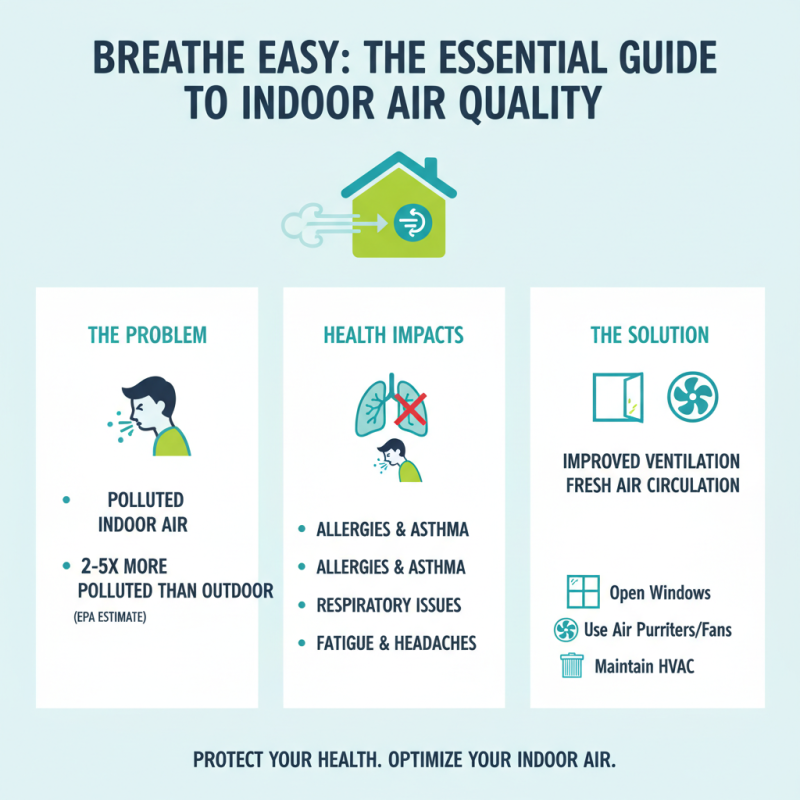
In recent years, the importance of a Ventilation System in homes has become increasingly clear. According to the U.S. Environmental Protection Agency, indoor air can be up to five times more polluted than outdoor air. This alarming fact underscores the need for proper ventilation. A well-designed system can significantly improve indoor air quality, reducing allergens and harmful pollutants.

Moreover, studies indicate that improved ventilation can enhance overall health and productivity. The American Society of Heating, Refrigerating and Air-Conditioning Engineers (ASHRAE) reports that optimal ventilation can lead to higher cognitive functions and better mood. However, many overlook this vital aspect. Effective ventilation is crucial, yet homeowners often compromise on it during renovations or new builds.

A Ventilation System not only helps in managing humidity levels but also minimizes health risks associated with mold and respiratory issues. Yet, some homes still lack adequate systems, leading to stagnant air and discomfort. Investing in this system is essential, but it’s important to ensure it is designed and maintained correctly to reap the full benefits. As we explore the top ten benefits of a Ventilation System, the correlation between health and air quality becomes ever more evident.
Top 10 Benefits of a Ventilation System for Your Home and Health?

Benefits of Improved Indoor Air Quality Through Ventilation Systems

Top 10 Benefits of a Ventilation System for Your Home and Health?

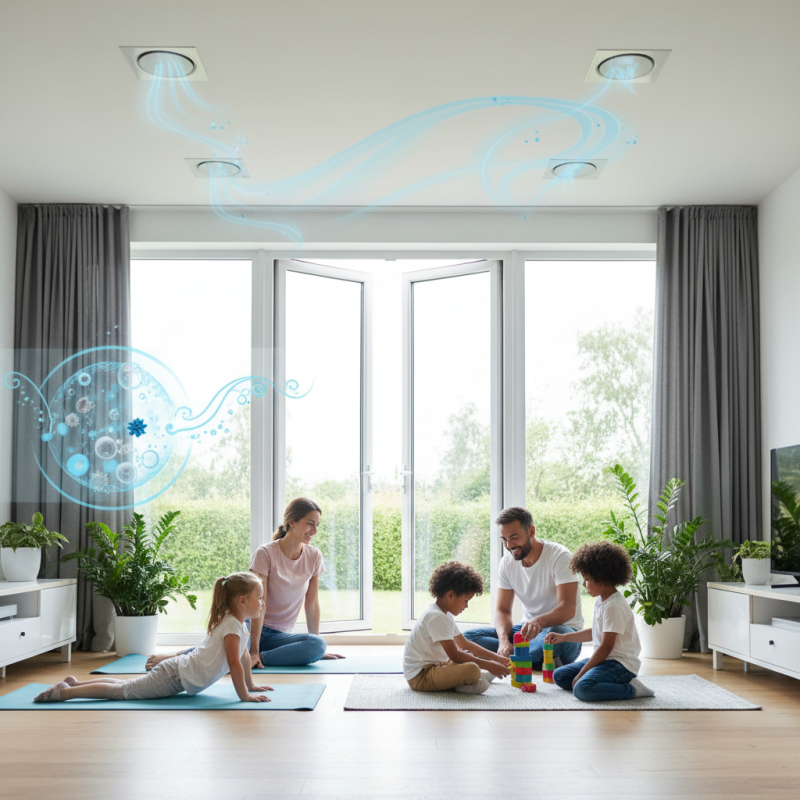
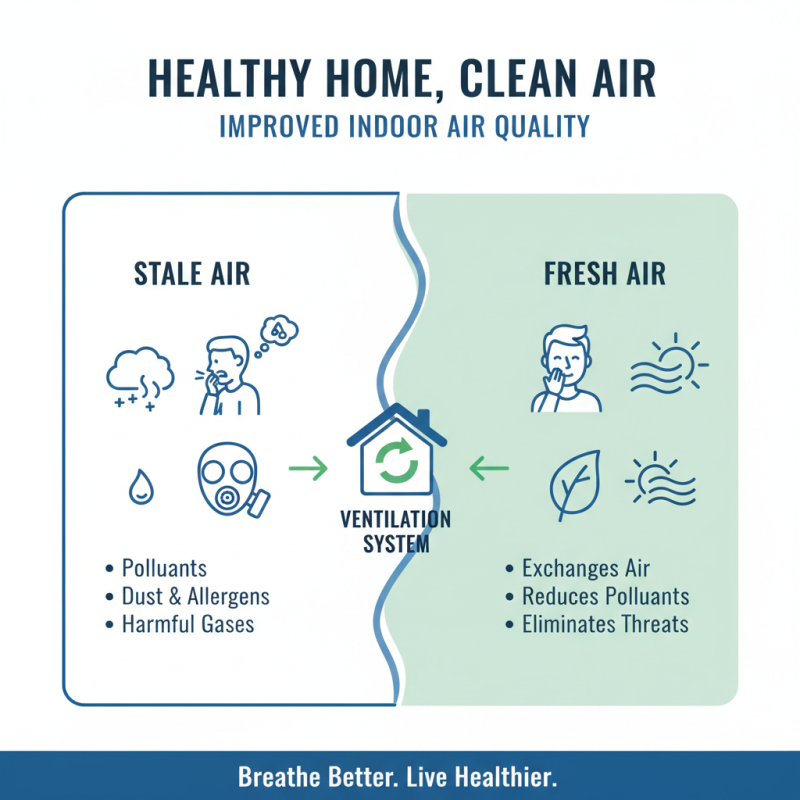
Improved indoor air quality is crucial for a healthy home. A ventilation system accomplishes this by exchanging stale air with fresh air. It significantly reduces indoor pollutants. Dust, allergens, and harmful gases can linger indoors. A good ventilation system helps eliminate these threats.

Comfort and health are interconnected. Proper ventilation allows moisture to escape. Without it, mold can develop in hidden areas. This creates an unhealthy environment. Children and the elderly are particularly vulnerable. Breathing clean air supports their well-being.

Installing a system can be an investment in your health. Initial costs may seem high, but the long-term benefits are significant. You might see reduced health issues over time. Observe how air quality changes in your space. Regular maintenance is also essential. Filters can clog and lose effectiveness. Air quality can fluctuate based on many factors. It's worth tracking these changes as they directly impact your life.

Enhancement of Energy Efficiency and Cost Savings in Homes

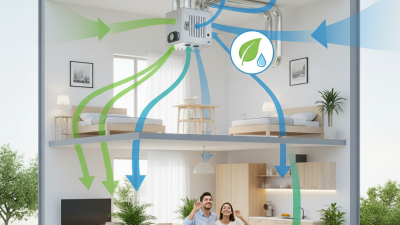
A well-designed ventilation system can significantly enhance energy efficiency in your home. Proper airflow helps maintain a consistent temperature. This reduces the load on heating and cooling systems. Consequently, homeowners can enjoy lower utility bills. Improved airflow also prevents moisture accumulation. This reduces the risk of mold growth, saving money on potential repairs.

Many may overlook the long-term cost savings of a good ventilation system. Regular maintenance can seem tedious. Yet, neglecting it may lead to greater expenses down the line. A carefully balanced system allows fresh air to replace stale air. This exchange can enhance indoor air quality. Homeowners may be surprised by how much cleaner air can impact their health.

Cost savings extend beyond mere utility bills. An efficient system can increase home resale value. Prospective buyers appreciate modern ventilation features. However, implementing these systems often requires an upfront investment. It's essential to weigh initial costs against future savings. A well-thought-out choice can yield unexpected benefits.

Top 10 Benefits of a Ventilation System for Your Home and Health

Reduction of Allergens and Pollutants for Better Health

Top 10 Benefits of a Ventilation System for Your Home and Health?

Indoor air quality is vital for health. Poor ventilation can lead to a buildup of allergens and pollutants. According to the Environmental Protection Agency, indoor air can be two to five times more polluted than outdoor air. This makes it essential to have an effective ventilation system in place.

A good ventilation system helps clear out dust, pet dander, and chemicals. These irritants can trigger allergies and respiratory issues. Studies show that homes with proper ventilation have 50% fewer airborne contaminants. This reduction can lead to improved overall health for occupants, especially children and the elderly who are more vulnerable.

However, simply installing a system isn’t enough. Regular maintenance is crucial. Filters must be changed frequently, or the system can spread pollutants. Moreover, some homeowners may overlook the importance of sealing leaks. These lapses can allow unwanted particles to enter, countering any benefits gained. Fresh air is essential, but ensuring it's clean is even more critical.

Prevention of Mold Growth and Moisture-Related Issues

A well-designed ventilation system is crucial for preventing mold growth and moisture-related issues in your home. Mold thrives in damp environments, often invisible and harmful. Poor air circulation promotes humidity, which encourages mold spores to settle and multiply. Ensuring proper air exchange can significantly reduce these risks.

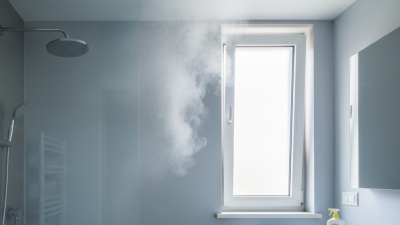
To maintain low humidity levels, consider using exhaust fans in kitchens and bathrooms. These areas generate a lot of moisture during cooking and showering. Open windows when weather permits to let in fresh air. This simple act can help reduce dampness and create a healthier indoor space.

Sometimes, even the best intentions fail. You might forget to close windows during rain or neglect to run exhaust fans. These lapses can lead to increased moisture. Regularly check areas prone to dampness, like basements or attics. If you notice any odors or spots, address them promptly. Mold can spread quickly, impacting both health and structure.

Top 10 Benefits of a Ventilation System for Your Home and Health

Benefit Description
Prevention of Mold Growth Effective ventilation reduces humidity levels, making it hard for mold to thrive.
Improved Indoor Air Quality Circulating fresh air minimizes indoor pollutants and allergens.
Reduced Health Risks Lower levels of indoor toxins decrease respiratory issues and allergies.
Energy Efficiency Modern ventilation systems can reduce energy costs by optimizing system use.
Odor Control Continuous air exchange helps eliminate unpleasant odors from cooking and pets.
Enhanced Comfort Maintains consistent temperature and humidity levels throughout the home.
Longer Lifespan of Home Components Proper ventilation protects structures and materials from moisture damage.
Better Sleep Quality Fresh air circulation promotes restful sleep by improving air quality.
Increased Home Value A well-ventilated home can be more appealing to buyers and increase resale value.

Promotion of Overall Home Comfort and Well-Being

Good ventilation in your home greatly enhances comfort. Studies show that proper ventilation can reduce indoor air pollutants by 50%. This improvement directly affects your well-being. Dust, allergens, and excess moisture can lead to health issues. A well-designed ventilation system helps mitigate these risks.

Ensuring a steady flow of fresh air is crucial. Stagnant air can make rooms feel stuffy. It also increases the likelihood of mold growth. A recent report noted that about 30% of homes face moisture problems. These issues not only affect your health but can lead to expensive repairs.

Feeling comfortable in your space improves your mood. Good air quality can enhance concentration and reduce fatigue. A survey indicated that people in well-ventilated homes reported 25% fewer health complaints. You might think your air is clean, but often, it’s not. Regular maintenance and monitoring are essential for health and comfort. It's a continuous effort to maintain a safe environment.