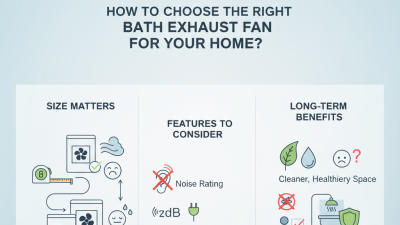
Choosing the right exhaust fan in 2026 is no longer about selecting the largest motor. It requires a careful balance between airflow, noise, energy use, installation space, and long-term reliability. A fan that looks powerful in a product photo may perform poorly through a long, narrow duct. Real performance depends on the entire ventilation system.
This guide explains how to compare exhaust fans for bathrooms, kitchens, workshops, and commercial areas. It considers airflow ratings, measured noise levels, humidity resistance, smart controls, filters, and maintenance access. The search phrase “Exhaust Fan Exhaust Fan” may appear repetitive, but it reflects how product research often works online. Practical decisions should rely on verified specifications, recognized testing standards, and manufacturer documentation.
Small details matter. A bathroom fan rated for 110 CFM may struggle when connected to several sharp bends. A quiet model can still create vibration if its housing is poorly secured. Energy-saving features are useful, but they cannot replace correct sizing. I have seen installations where a cheaper fan performed better after the duct was shortened and sealed. That lesson is easy to overlook.
Technology also changes quickly. App controls and sensors can improve convenience, yet they may add maintenance concerns. Not every smart feature is necessary. The best choice depends on the room, local conditions, usage patterns, and installation quality. This guide aims to offer dependable direction, while recognizing that product claims and real-world results are not always identical. Check the details carefully. Small errors become expensive later.
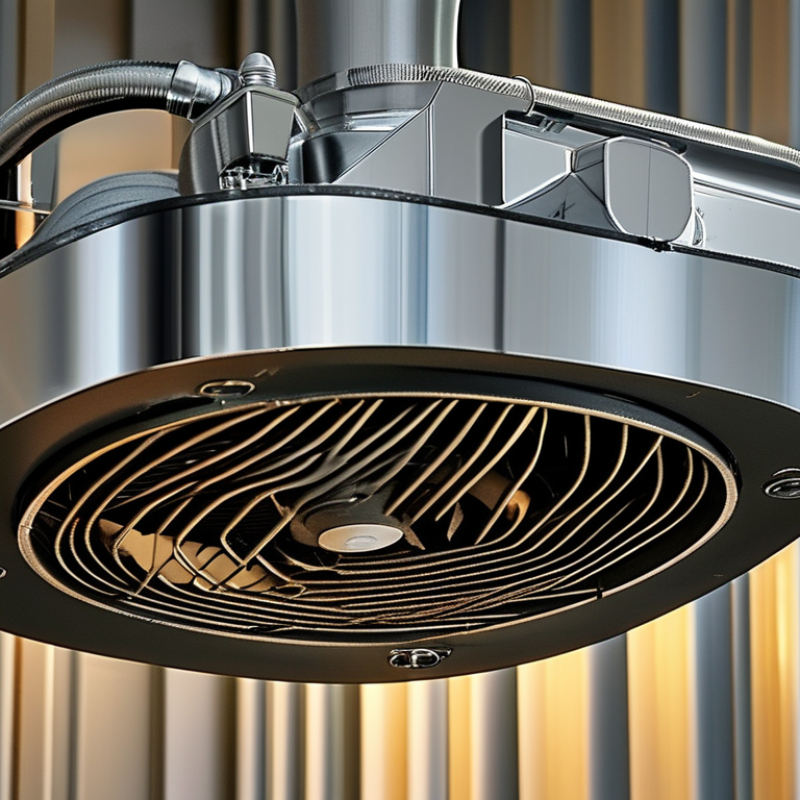
Choosing an exhaust fan begins with the room, not the fan label.
Measure floor area, ceiling height, occupancy, and moisture sources. A small bathroom needs a different airflow strategy than a workshop.
ASHRAE Standard 62.2-2022 uses a whole-home ventilation calculation based on floor area and occupants. It is commonly expressed as 0.03 cfm per square foot plus 7.5 cfm per person.
Treat this as a design baseline, not a universal answer. Actual use can be messier.
For bathrooms, Home Ventilating Institute guidance commonly recommends 1 cfm per square foot for rooms up to 100 square feet.
It also suggests 50 cfm for intermittent operation. A 70-square-foot bathroom therefore starts near 70 cfm.
Longer ducts, bends, dampers, and exterior louvers reduce delivered airflow. Check rated airflow against installed performance.
This detail is easy to miss.
Kitchen exhaust needs source capture above the cooking surface.
The U.S. EPA’s indoor-air-quality report states that indoor pollutant levels can be two to five times higher than outdoors, and sometimes much higher.
This makes capture location and makeup air important, not merely motor size.
Keep the duct short and smooth. Listen for rattling after installation. A quiet fan that moves little air is not a success.
My planning rule is simple: calculate, inspect the duct route, then question the first number.
Conditions change, and the first estimate may be wrong.
Room size is the starting point, not the final answer. Measure length, width, and ceiling height to calculate room volume. For many bathrooms, aim for about eight air changes per hour.
A practical estimate is room volume × air changes ÷ 60 = required airflow in cubic feet per minute.
A 10-by-8-foot bathroom with an 8-foot ceiling needs roughly 86 CFM. Choose the nearest suitable capacity, then check installation instructions and local building requirements.
Airflow can fall sharply through long ducts, tight bends, dampers, or a dirty grille. A fan rated at 100 CFM may deliver much less after installation.
I have seen this mistake during otherwise careful renovations. The room looked properly sized on paper, but moisture stayed on the mirror. Short, smooth, and sealed ductwork usually performs better. Exhaust air outdoors, where permitted, rather than into an attic or enclosed cavity.
Different rooms need different priorities. A small toilet room may need less capacity than a bathroom with a shower. Laundry areas may require stronger, continuous ventilation during drying cycles.
Consider noise, humidity sensors, timers, and replacement access. Quiet operation matters at night. Still, the quietest model is not always the best choice.
Recheck airflow after installation with a simple tissue test, but treat it as an indication, not a certified measurement. The calculation may need adjustment.
Fan type affects airflow, noise, and electricity use more than many buyers expect. Axial fans suit short, straight ducts, such as a small bathroom wall outlet. They move air efficiently but may struggle against long duct runs. Centrifugal fans handle resistance better, making them useful for kitchens, enclosed rooms, or multi-bend ductwork. Mixed-flow models offer a practical middle ground, although their real performance depends on installation quality.
Noise ratings deserve careful attention. A fan rated at 30 dB may sound comfortable in a showroom, yet vibration can become louder after mounting. Look for tested sound levels and check whether the rating uses sones or decibels. Sones often feel easier for household comparisons. A quiet motor cannot compensate for a loose grille, sharp duct bend, or rattling ceiling panel.
Energy performance involves more than wattage. Compare airflow per watt, not just the motor’s power label. A lower-watt fan may waste energy if it cannot clear moisture effectively. Humidity sensors, timers, and variable-speed controls can reduce unnecessary operation. In my experience, a timer prevents many forgotten running fans, but sensors sometimes react too slowly in cold rooms. Check the actual airflow at the duct length you need. Manufacturer test data is useful, though real homes rarely match laboratory conditions. Inspecting the duct route remains essential.
How to Choose the Right Exhaust Fan in 2026?
A suitable exhaust fan begins with the installation conditions, not the advertised airflow. Measure the room, duct length, outlet size, and available electrical supply. Measure before buying. A long, narrow, or sharply bent duct can reduce performance and increase noise. Check whether the fan vents outdoors, not into an attic or ceiling cavity. The exterior termination should resist rain, insects, and backdrafts. In humid rooms, insulate cold duct sections to reduce condensation.
Controls should match how the room is used. A timer switch can remove moisture after a shower, while a humidity sensor can start ventilation automatically. Motion control may help in shared washrooms, but it can run unnecessarily. Manual control remains useful for kitchens and workshops. Keep it accessible. I once selected a fan with advanced automatic control but ignored switch placement. That shortcut was a mistake. Users could not adjust it comfortably, so they often left it off.
Maintenance needs also affect the right choice. Select a design with a removable grille and reachable motor housing. Clean dust from the grille every few months, especially in laundry rooms or dusty workshops. Inspect the duct connection for looseness, and listen for new rattling or vibration. Noise matters too. A quiet fan that is rarely cleaned may become louder and weaker over time. Maintenance guidance from a qualified installer or the product manual should take priority, because real conditions can differ from catalog estimates.
Choosing the right exhaust fan in 2026 requires more than checking airflow and price. Safety, durability, and long-term value deserve equal attention. ASHRAE Standard 62.2 recommends at least 50 cubic feet per minute for intermittent bathroom ventilation. A certified airflow rating helps confirm that performance. Look for recognized electrical safety certification, thermal protection, and a backdraft damper. These features reduce overheating risks and unwanted outdoor air movement.
Durability depends on construction and maintenance. A sealed motor, corrosion-resistant housing, and washable grille can matter in a humid bathroom. The U.S. Environmental Protection Agency recommends keeping indoor humidity between 30% and 50%. Reliable ventilation supports that target, but poor duct design can weaken any fan. ENERGY STAR product criteria report that certified ventilating fans can use about 50% less energy than standard models. That saving matters over years, not weeks. Still, the most efficient fan is not automatically the best value. A cheap unit with noisy bearings may need replacement sooner. That lesson is easy to overlook.
Tips: Compare certified airflow, noise, energy use, warranty length, and replacement-part availability. Check the duct route before installation. Shorter, smoother ducts usually perform better. Avoid choosing by price alone. I would also inspect the grille after several months. Dust buildup quietly reduces performance, and published ratings may not match real conditions. Verify local electrical requirements before installation.
A practical 100-point evaluation framework for safety, durability, and overall value.
Safety receives the highest weighting because buyers should verify recognized electrical safety certification, thermal overload protection, a backdraft damper, and suitability for the installation environment. Durability should be judged by corrosion-resistant construction, motor quality, moisture protection, and cleaning access. Overall value combines purchase price, energy use, noise performance, maintenance needs, and expected service life. Always confirm that installation complies with local building and electrical codes.